Have you ever noticed your little one looking around the room, eyes darting like a squirrel on a power line, and wondered why they don’t meet your gaze? Eye contact is one of the first social signals children learn, and when it’s missing, it can raise a red flag. In this guide we’ll explore the autism signs in children who don’t make eye contact, why it matters, and what steps you can take to support your child’s unique communication style.
Why Eye Contact Matters
Eye contact is the social handshake of childhood. It helps kids read emotions, pick up on cues, and feel connected. When a child skips the eye‑contact dance, it can feel like a missed beat in a song—noticeable and sometimes unsettling. Understanding why eye contact is important lays the groundwork for recognizing when its absence might signal autism.
The Social Language of Gaze
- Signals interest or disinterest Helps gauge others’ emotions Signals trust and safety Provides a roadmap for conversation
When these signals are muted, a child may appear aloof, but it could be a deeper communication cue rather than shyness alone.
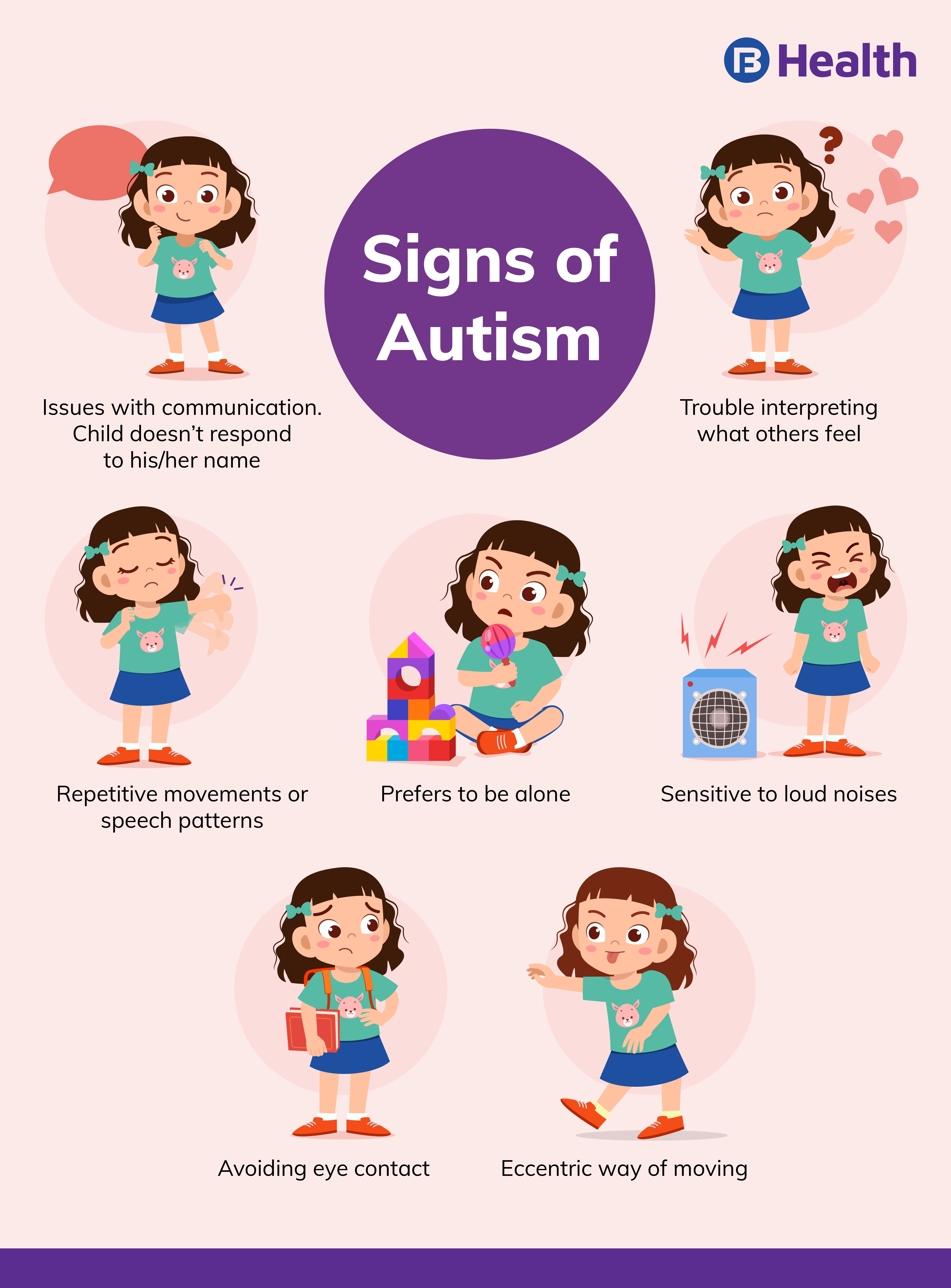
Common Autism Signs in Children Who Avoid Eye Contact
When a child consistently avoids eye contact, several autism signs may surface. The list below is not exhaustive, but it highlights patterns that often accompany this behavior.
1. Repetitive Behaviors
- Hand‑wringing, rocking, or spinning Fixating on objects or topics
2. Sensory Sensitivities
- Over‑sensitivity to lights, sounds, or textures Aversion to certain clothing fabrics
3. Communication Challenges
- Limited use of gestures Difficulty following conversational turns
4. Social Interaction Hurdles
- Trouble initiating or maintaining play Preference for solitary activities
These signs, combined with a lack of eye contact, often point toward autism spectrum disorder (ASD). Remember, each child is unique, and the presence of one sign doesn’t confirm a diagnosis. However, patterns can guide further evaluation.
Beyond the Gaze: Other Clues to Watch For
Eye contact is just one piece of the puzzle. Autism signs in children who don’t make eye contact frequently co‑occur with other indicators. Watching for these can help you paint a fuller picture.
Language and Speech
- Delayed speech or limited vocabulary Echolalia (repeating words or phrases)
Play Patterns
- Preference for objects over people Repetitive play sequences
Emotional Regulation
- Difficulty managing frustration Unexpected emotional outbursts
Family Anecdote
I once met a bright‑eyed child named Maya who avoided eye contact so strongly that she’d look at the ceiling during conversations. Yet, she could articulate a story about her favorite dinosaur with the enthusiasm of a seasoned storyteller. Maya’s case reminds us that a child’s communication style can be a mosaic—some pieces are Misdiagnosis (depression, anxiety) vivid, others hidden.
When to Seek a Professional Evaluation
Deciding whether to pursue a formal assessment can feel like choosing between a mystery novel and a thriller. The key is to listen to your instincts and gather evidence. If you notice a cluster of autism signs in your child—especially if they persist beyond age two—consider consulting a pediatrician or developmental specialist.
Practical Steps
- Keep a symptom diary: note behaviors, triggers, and patterns. Schedule a developmental screening with your pediatrician. If concerns persist, request a referral to a child psychologist or developmental pediatrician.
Rhetorical Question
Have you ever wondered if a child’s avoidance of eye contact is a sign of deeper sensory or emotional processing differences? If so, it’s worth exploring further.
Practical Tips for Parents and Caregivers
Supporting a child who doesn’t make eye contact requires patience, creativity, and empathy. Below are evidence‑based strategies to help your child feel comfortable and connected.
1. Create a Calm Environment
- Reduce visual clutter and loud noises. Use soft lighting or dimmed lights during playtime.
2. Use Visual Supports
- Picture schedules to outline daily routines. Social stories to explain expected interactions.
3. Gradual Exposure
- Start with brief, non‑threatening eye contact during familiar activities. Use a favorite toy or snack as a bridge to more direct interaction.
4. Celebrate Small Wins
- Praise any attempt at eye contact, no matter how brief. Offer gentle encouragement rather than pressure.
5. Model Eye Contact
- Show your own eye contact during conversations. Use a gentle, reassuring tone.
6. Engage in Joint Attention Activities
- Read a book together, pointing to pictures. Play simple “peek‑a‑boo” games that involve looking at each other.
7. Seek Support Networks
- Join parent support groups for families with children on the spectrum. Connect with local autism organizations for resources and advocacy.
Quote
As Dr. Temple Grandin once said, “The world is not a place to be feared, but a place to be understood.” This perspective reminds us that understanding the unique ways children communicate is the first step toward meaningful support.
Helping Your Child Build Comfort with Eye Contact
Building eye contact is like teaching a shy bird to fly. It requires gentle encouragement and the right environment. Below are techniques that can help your child feel safe while practicing gaze.
1. Use “Gaze Cues”
- Hold a small, colorful sticker near your eyes and say, “Look at the sticker.” Use a mirror to show your child how you look at them.
2. Incorporate Playful Elements
- Turn eye contact into a game: “Can you see my eyes?” with a friendly grin. Reward with a sticker or a short dance break.
3. Keep Sessions Short and Positive
- Start with 5‑second eye contact and gradually increase. End each session on a high note—like a favorite song or snack.
4. Leverage Technology
- Use video recordings to review eye contact moments. Play interactive apps that prompt children to look at the screen.
5. Be Consistent
- Practice daily, even if only for a few minutes. Keep the tone light and supportive, avoiding any sense of judgment.
Charting a Bright Path Forward
Understanding the autism signs in children who don’t make eye contact empowers you to take proactive steps. By observing patterns, seeking timely evaluations, and employing compassionate strategies, you can help your child navigate their unique communication style. Remember, progress is a journey—sometimes a gentle glide, other times a steady climb. Celebrate each milestone, no matter how small, and keep the conversation Click for more open. Your support can transform a silent signal into a vibrant dialogue, turning the shy bird into a confident flyer in the sky of social connection.